Learn what OpenAI is, explore its key products like GPT and DALL-E, understand how its technology works, discover real-world use cases, and find out how to get started with OpenAI's tools and APIs.
Learn what OpenAI is, explore its key products like GPT and DALL-E, understand how its technology works, discover real-world use cases, and find out how to get started with OpenAI's tools and APIs.

Neuro-symbolic AI combines neural networks with symbolic reasoning to build systems that learn from data and reason with logic. Explore how it works, key use cases, and how to get started.
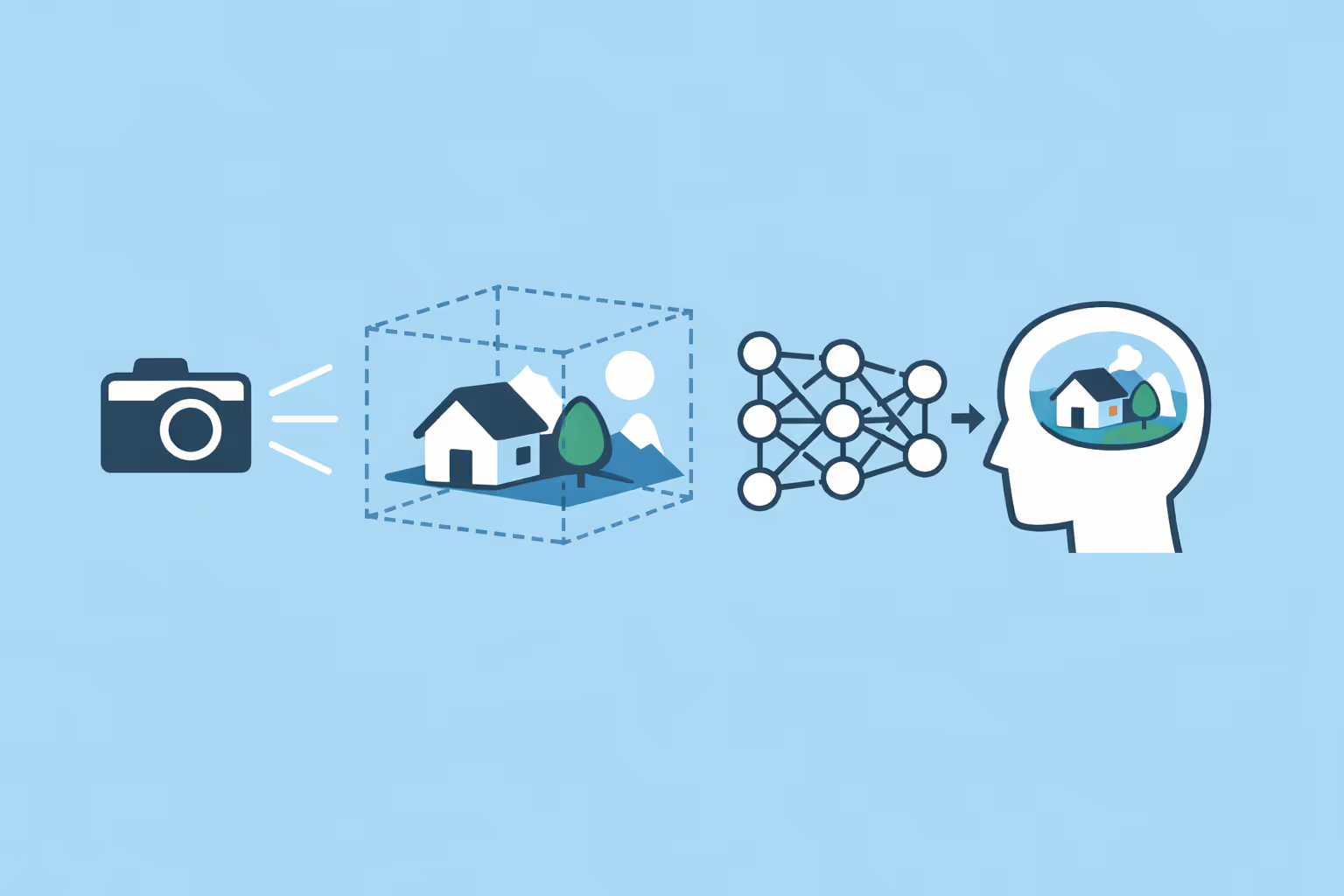
Learn what a neural radiance field is, how NeRF reconstructs 3D scenes from 2D images, its real-world applications, and the key challenges practitioners face.

Learn what natural language understanding (NLU) is, how it works, and where it applies. Explore the difference between NLU, NLP, and NLG, plus real use cases and how to get started.

Learn what natural language generation is, how NLG systems convert data into human-readable text, the types of NLG architectures, real-world use cases, and how to get started.
Learn what narrow AI (weak AI) is, how it works using machine learning and deep learning, real-world use cases across industries, how it differs from general AI, and its key challenges and limitations.
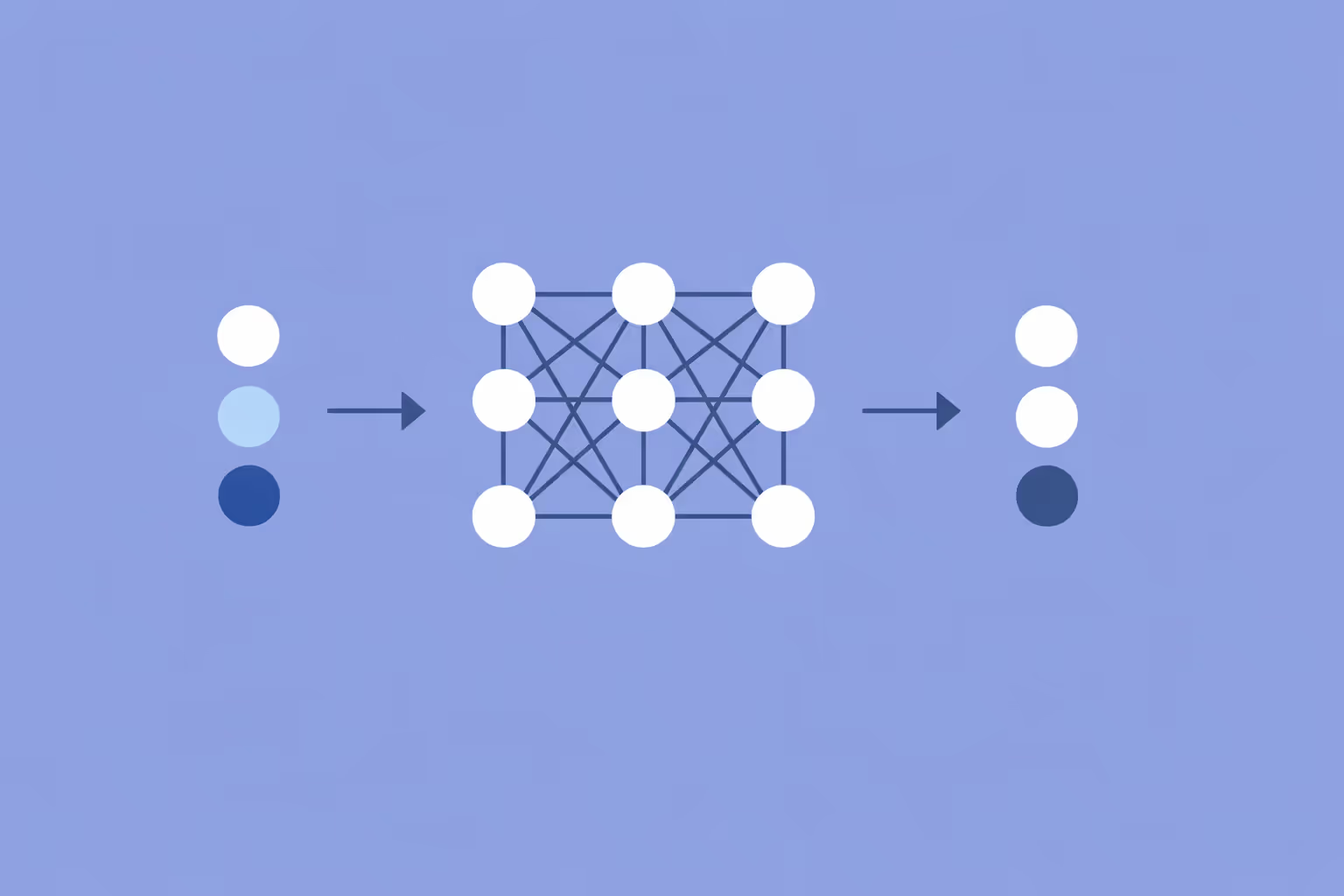
A neural network is a computing system modeled on the human brain. Learn how neural networks work, explore key types and architectures, and discover real-world applications.
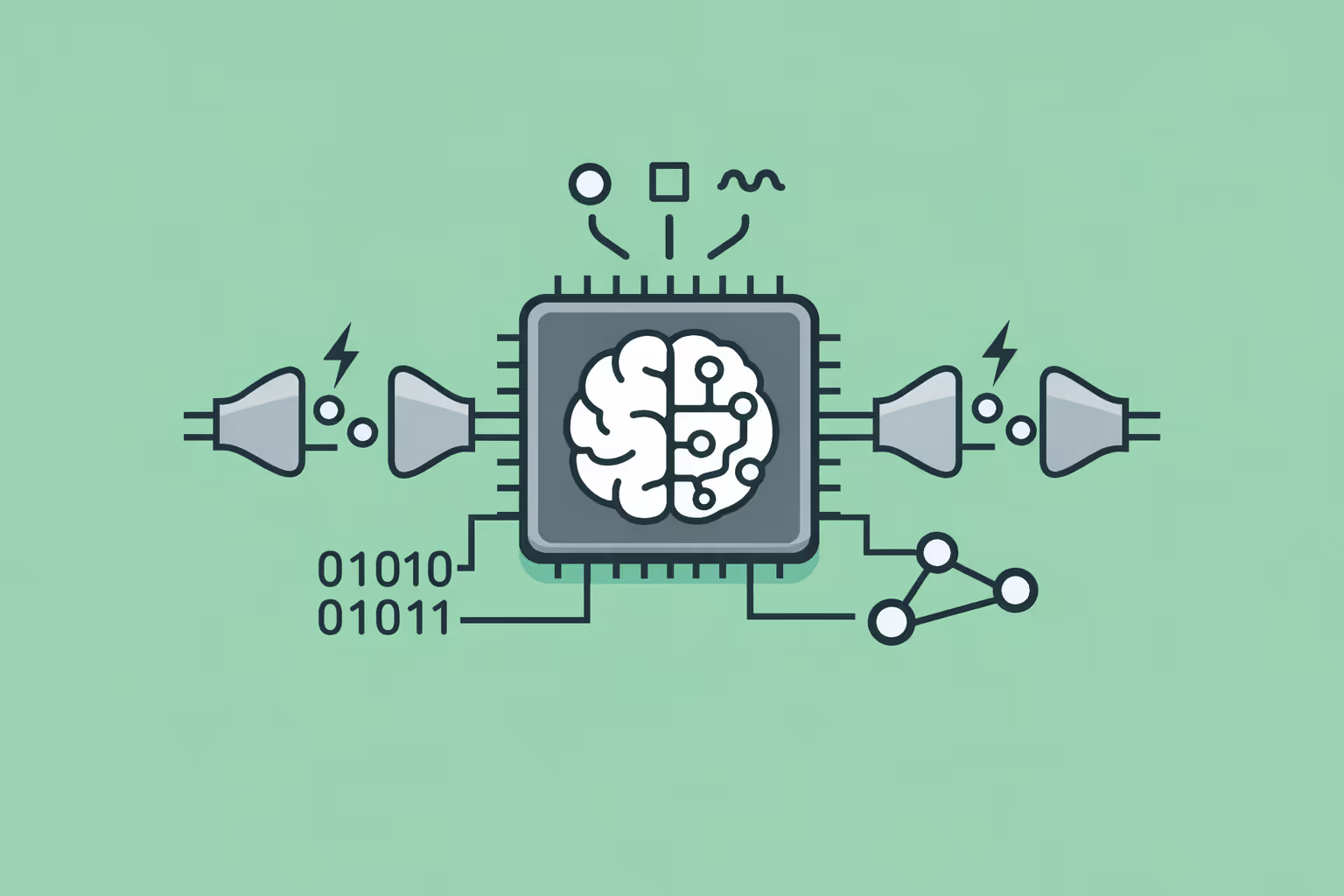
Learn what a neurosynaptic chip is, how it mimics biological neural networks in silicon, why it matters for AI efficiency, and where it is used across industries.
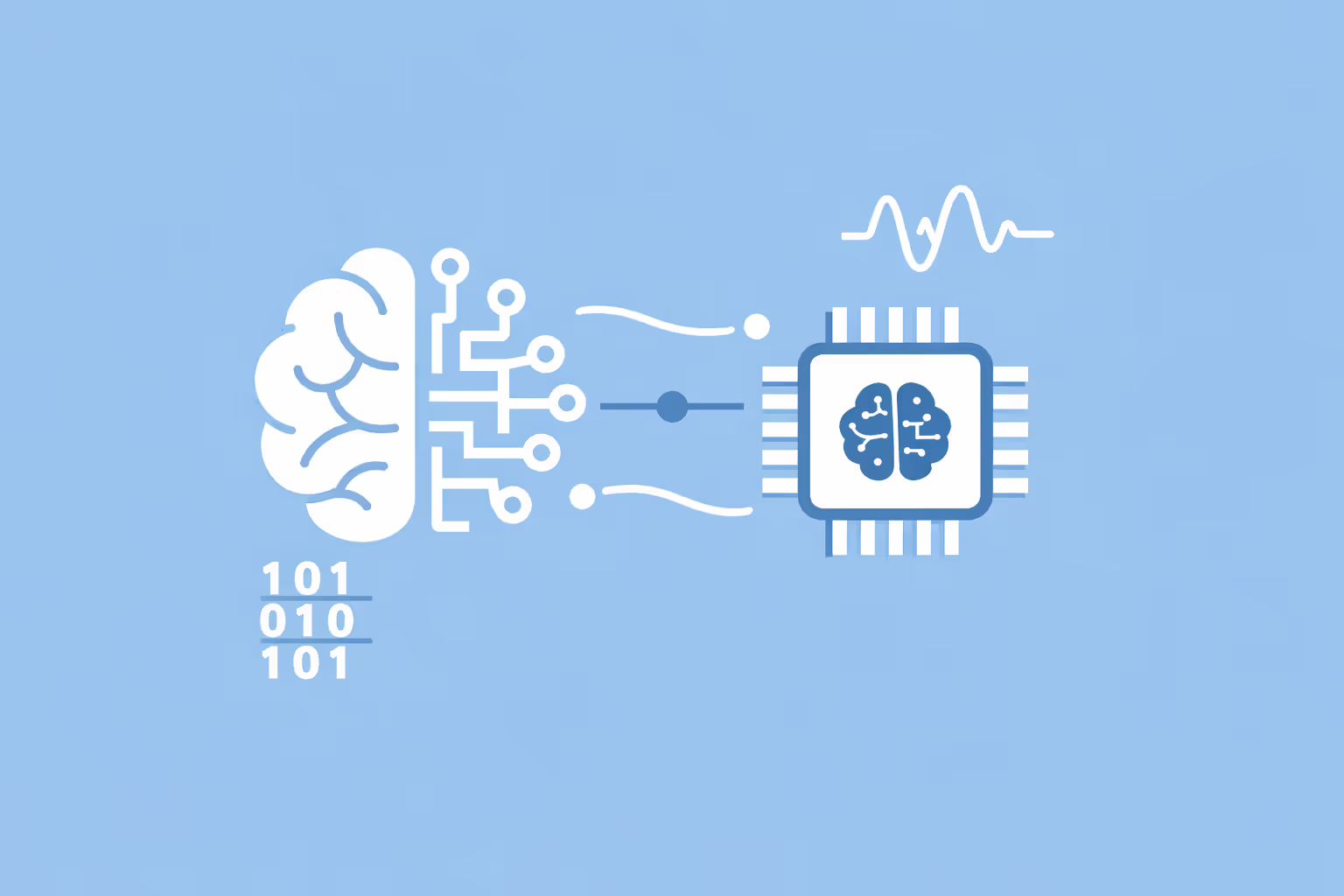
Learn what neuromorphic computing is, how brain-inspired chips process information using spiking neural networks, and why this architecture matters for energy-efficient AI at the edge.
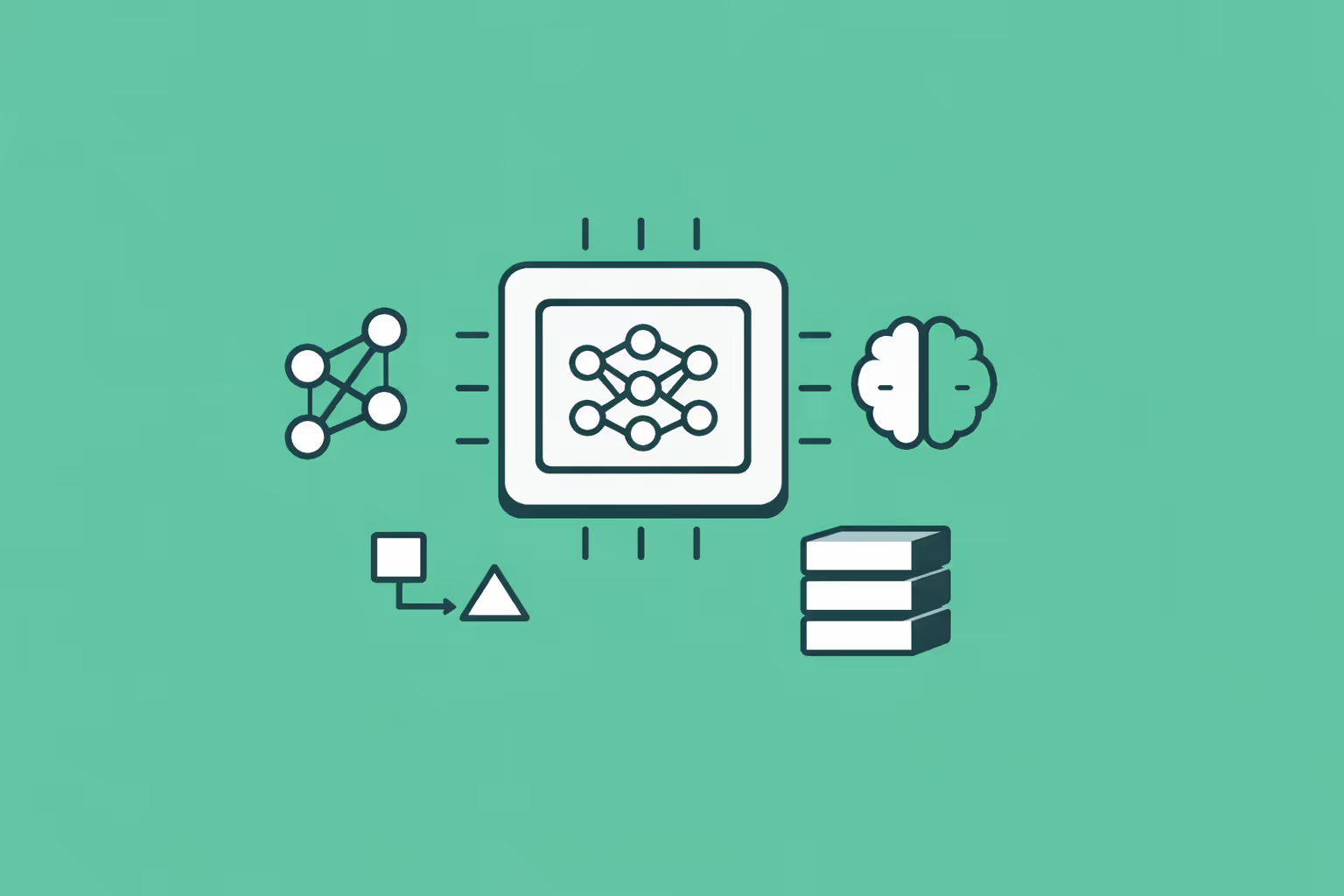
Learn what a neural net processor is, how NPUs accelerate AI workloads through dedicated hardware, how they compare to GPUs and CPUs, and where they are deployed across industries.
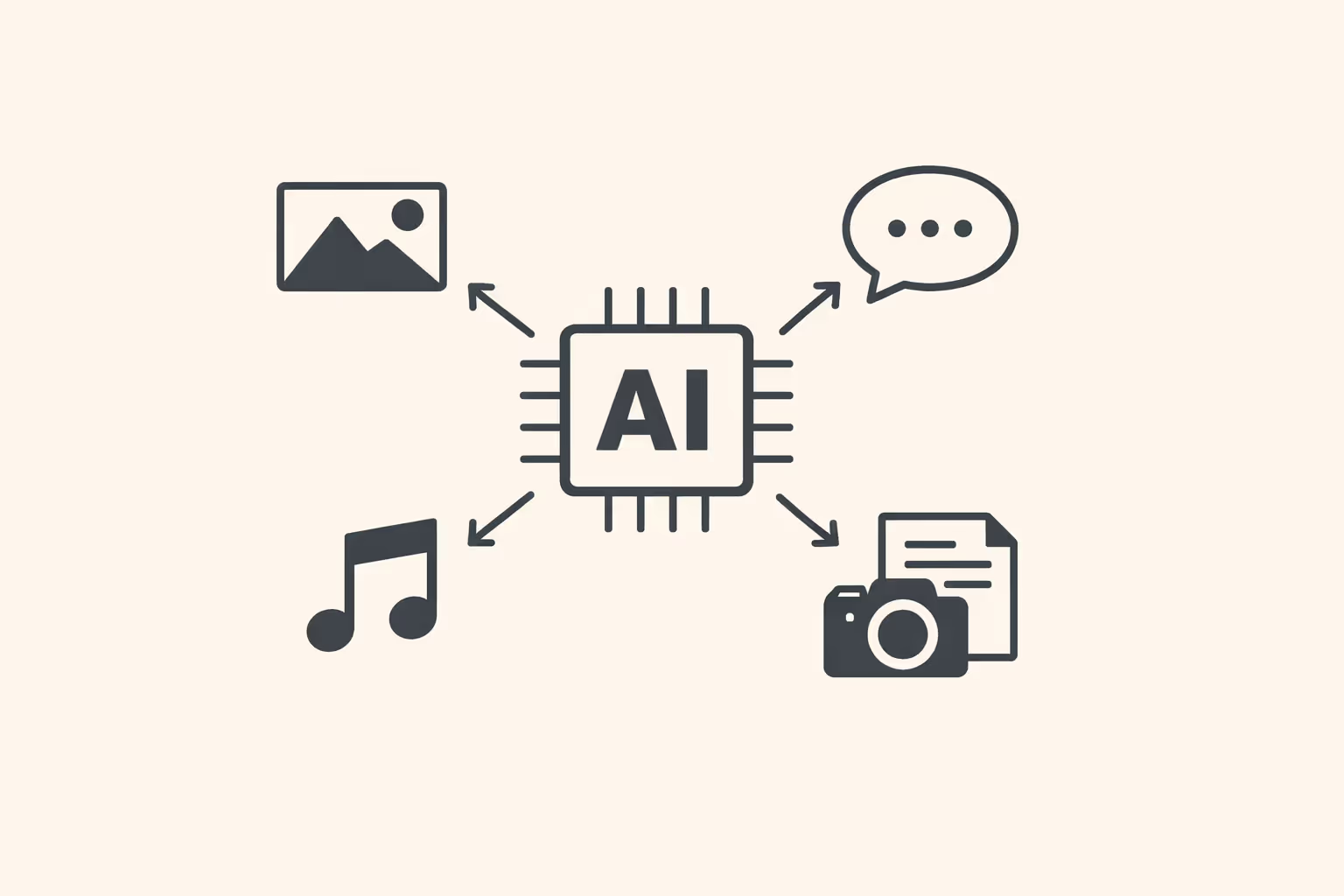
Learn what multimodal AI is, how it processes text, images, audio, and video simultaneously, and why it represents a fundamental shift in artificial intelligence.
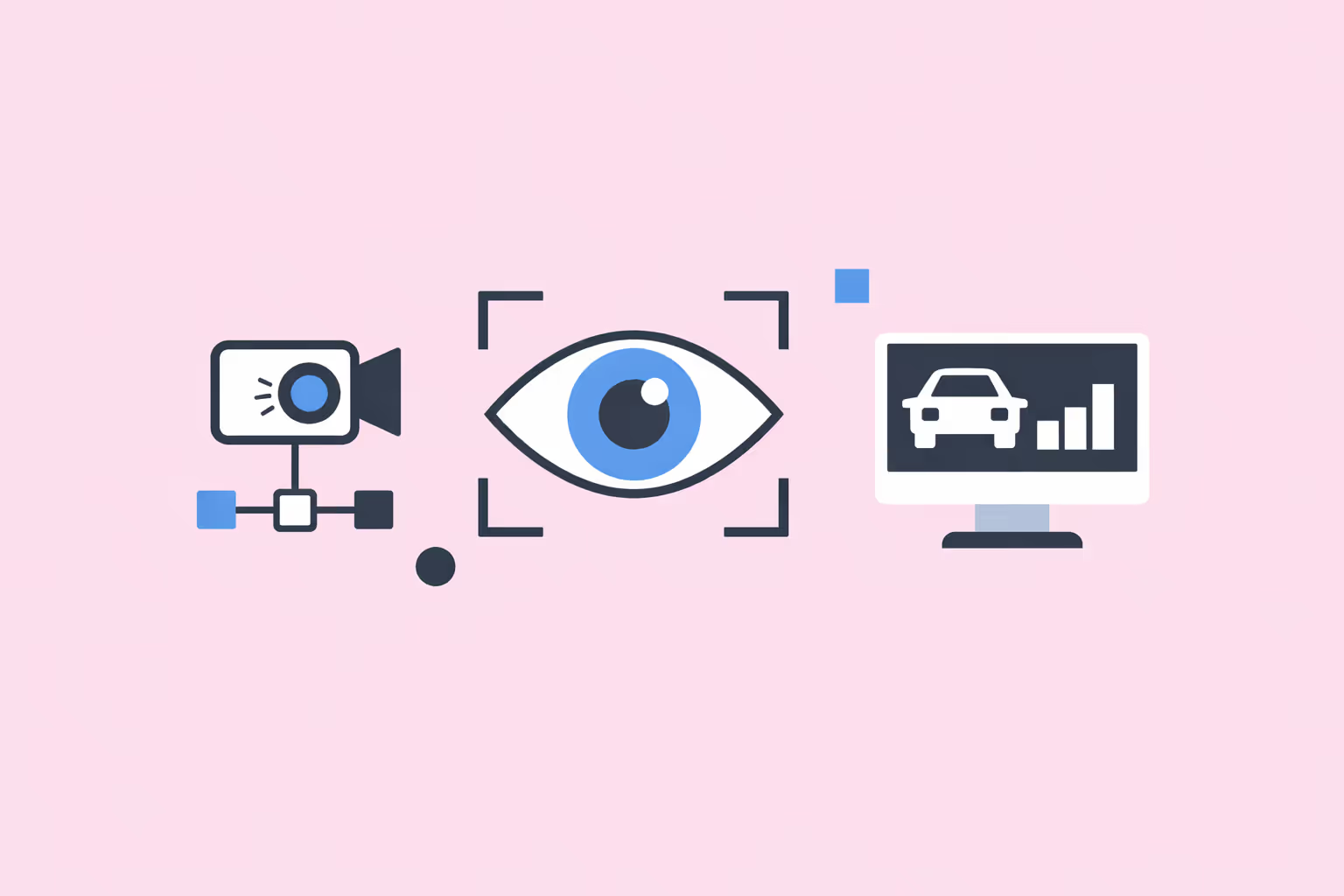
Learn what machine vision is, how it captures and analyzes visual data in industrial and commercial settings, how it differs from computer vision, and its key use cases.
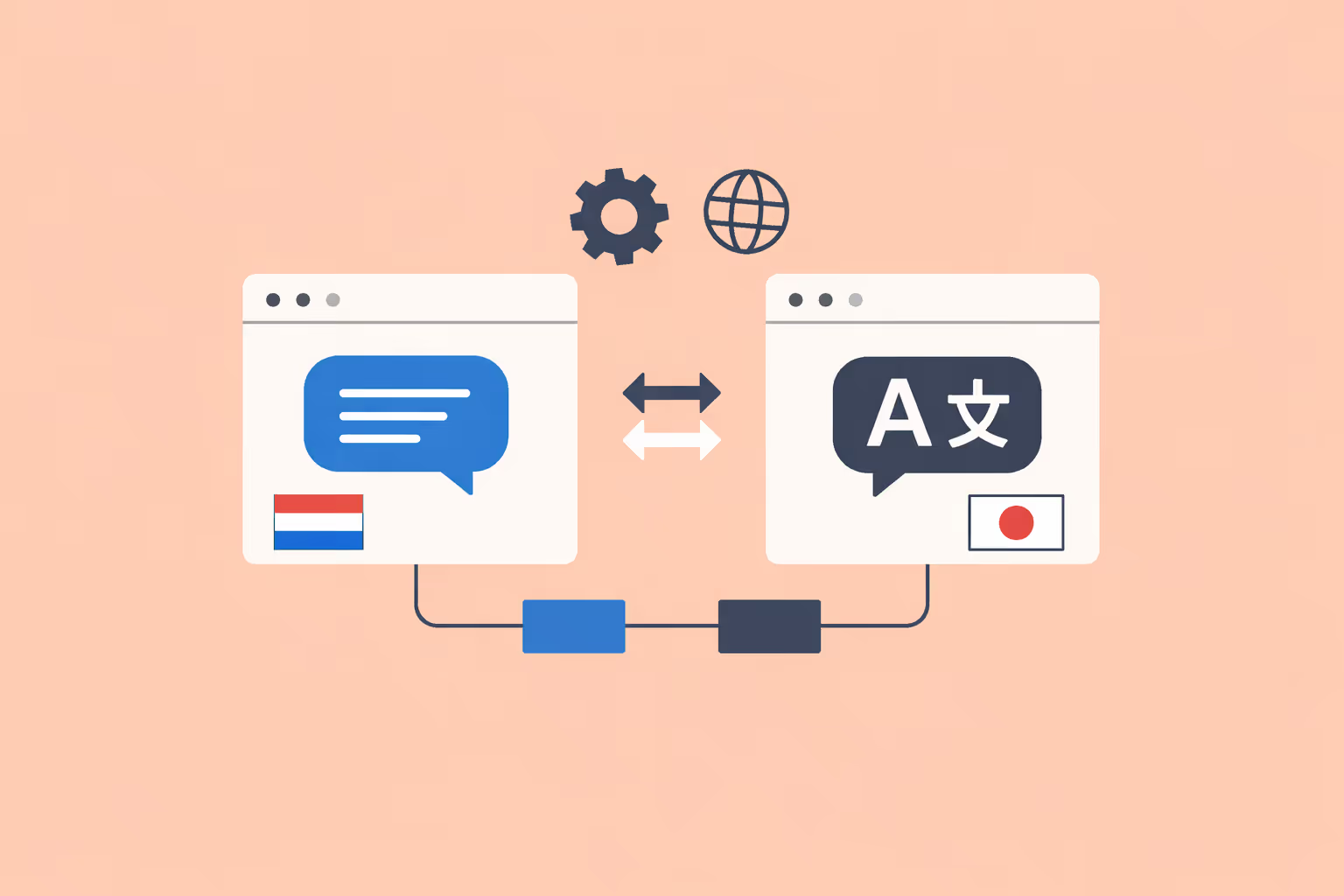
Learn what machine translation is, how it works across rule-based, statistical, and neural approaches, its key use cases in education and business, and the challenges that still limit accuracy.
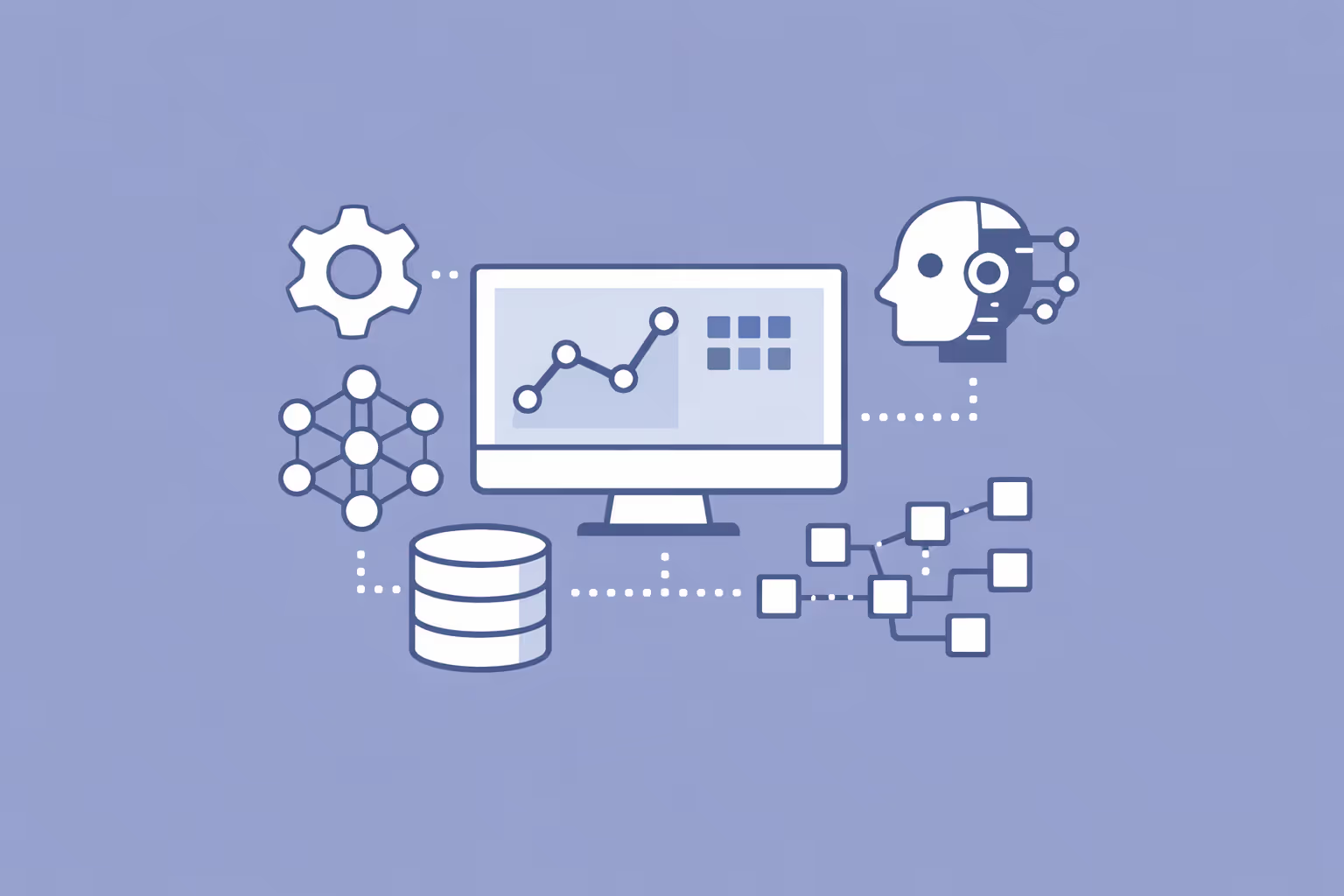
Machine learning enables systems to learn from data and improve without explicit programming. Explore how it works, key types, real-world applications, and how to get started.
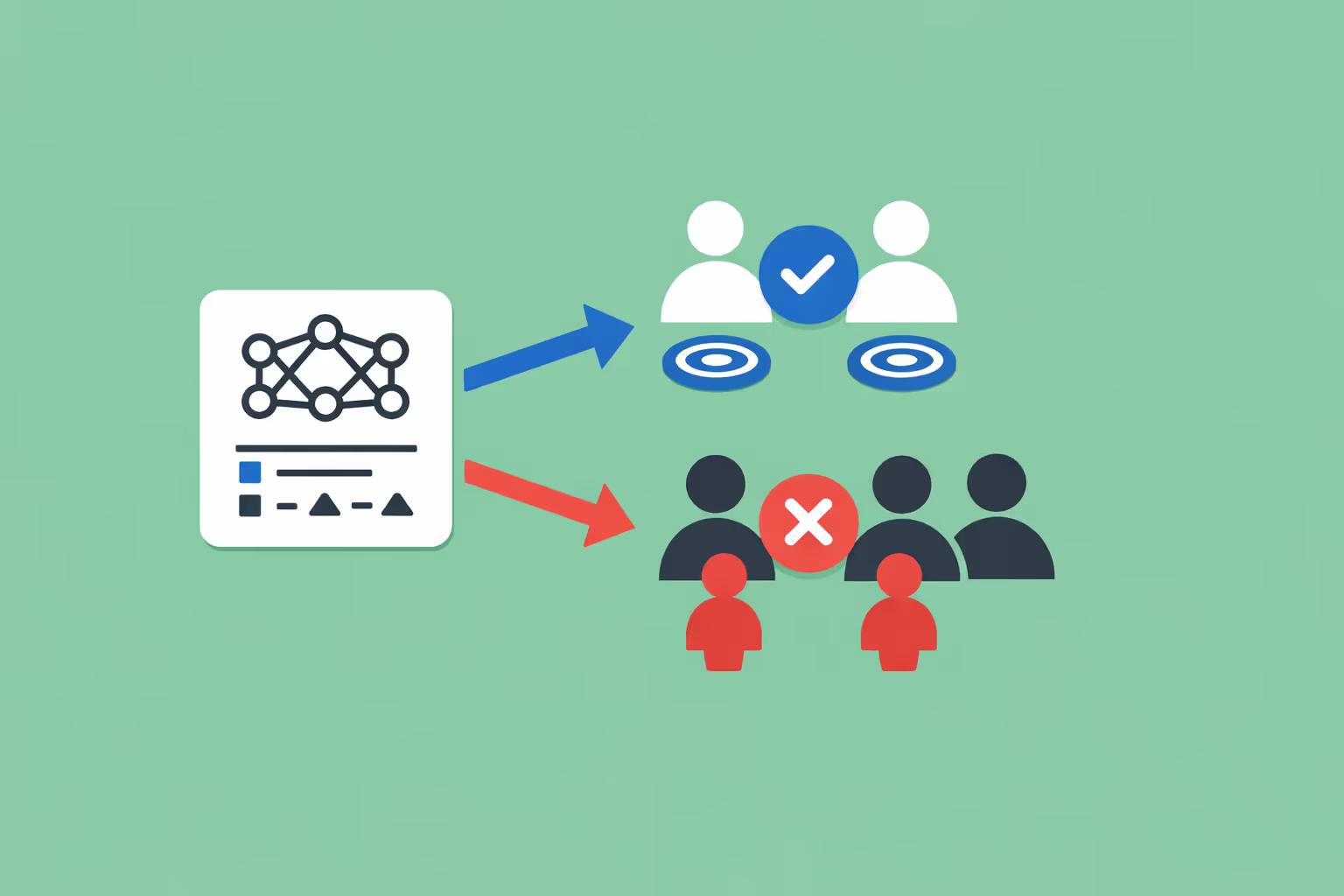
Machine learning bias is a systematic error in ML models that produces unfair or inaccurate outcomes for certain groups. Learn the types, real-world examples, and proven strategies for detection and mitigation.

Learn what masked language models (MLMs) are, how they use bidirectional context to understand text, and explore their use cases in NLP, search, and education.
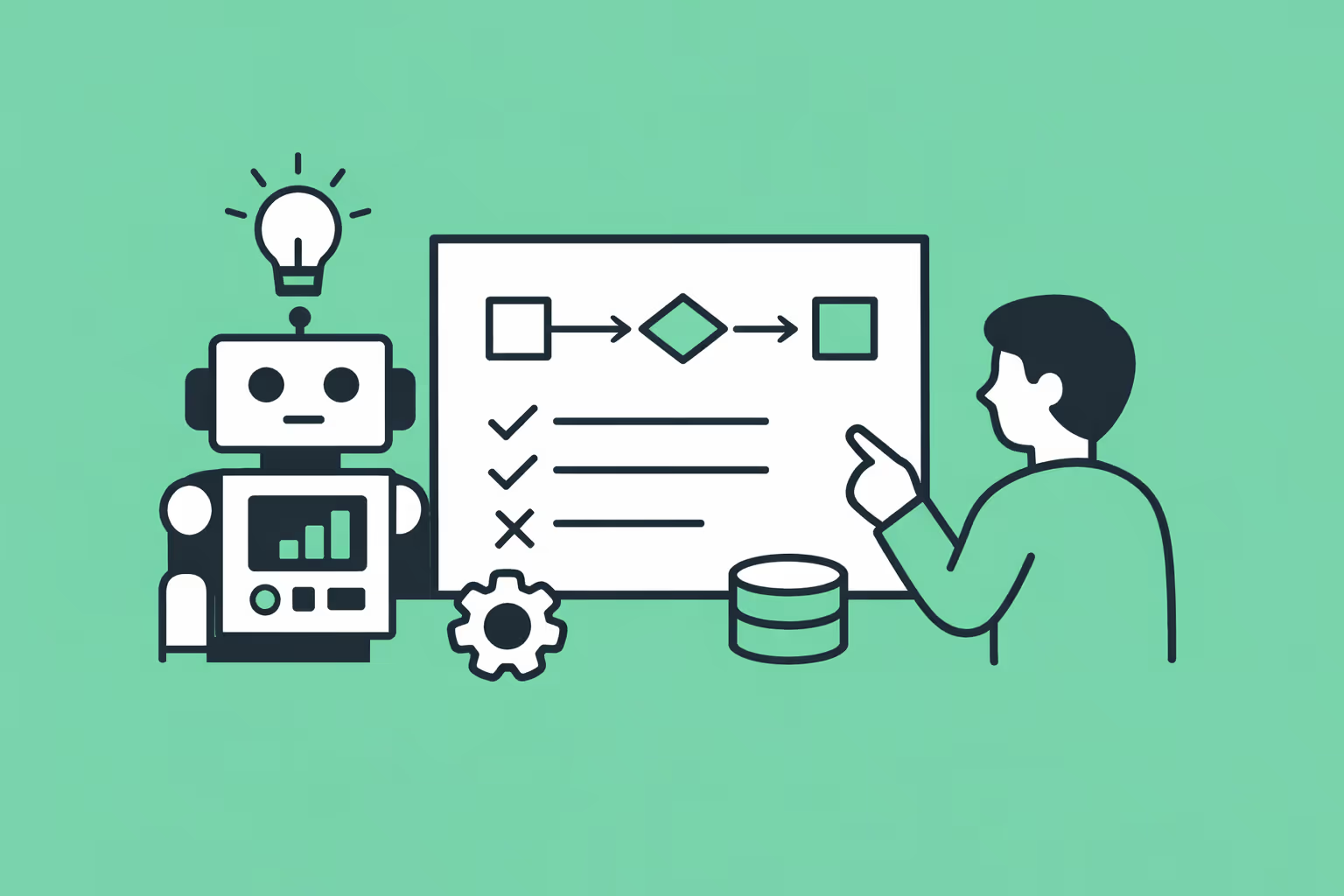
Machine teaching is the practice of designing optimal training data and curricula so AI models learn faster and more accurately. Explore how it works, key use cases, and how it compares to machine learning.
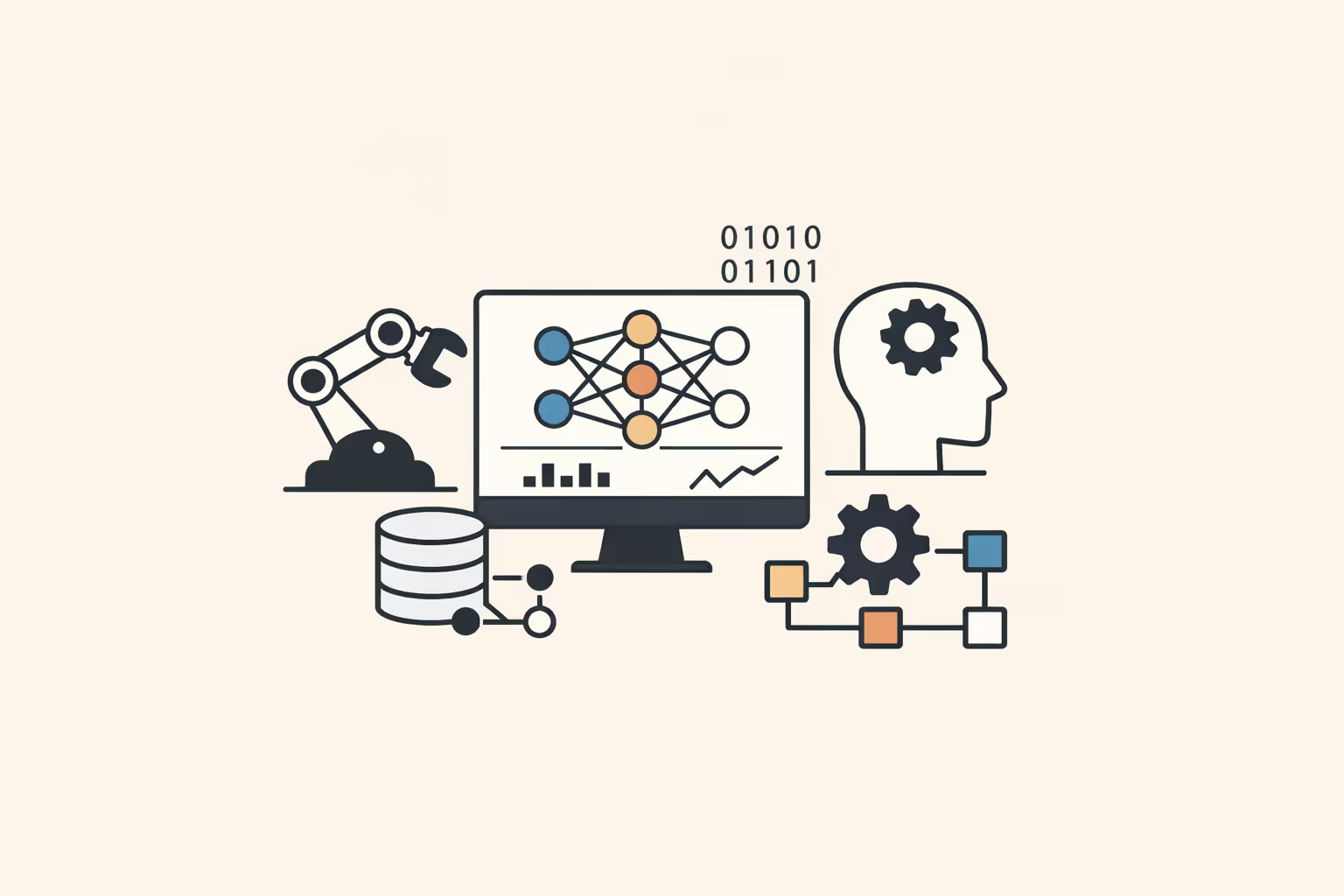
Learn what a machine learning engineer does, the key skills and tools required, common career paths, and how to enter this high-demand field.
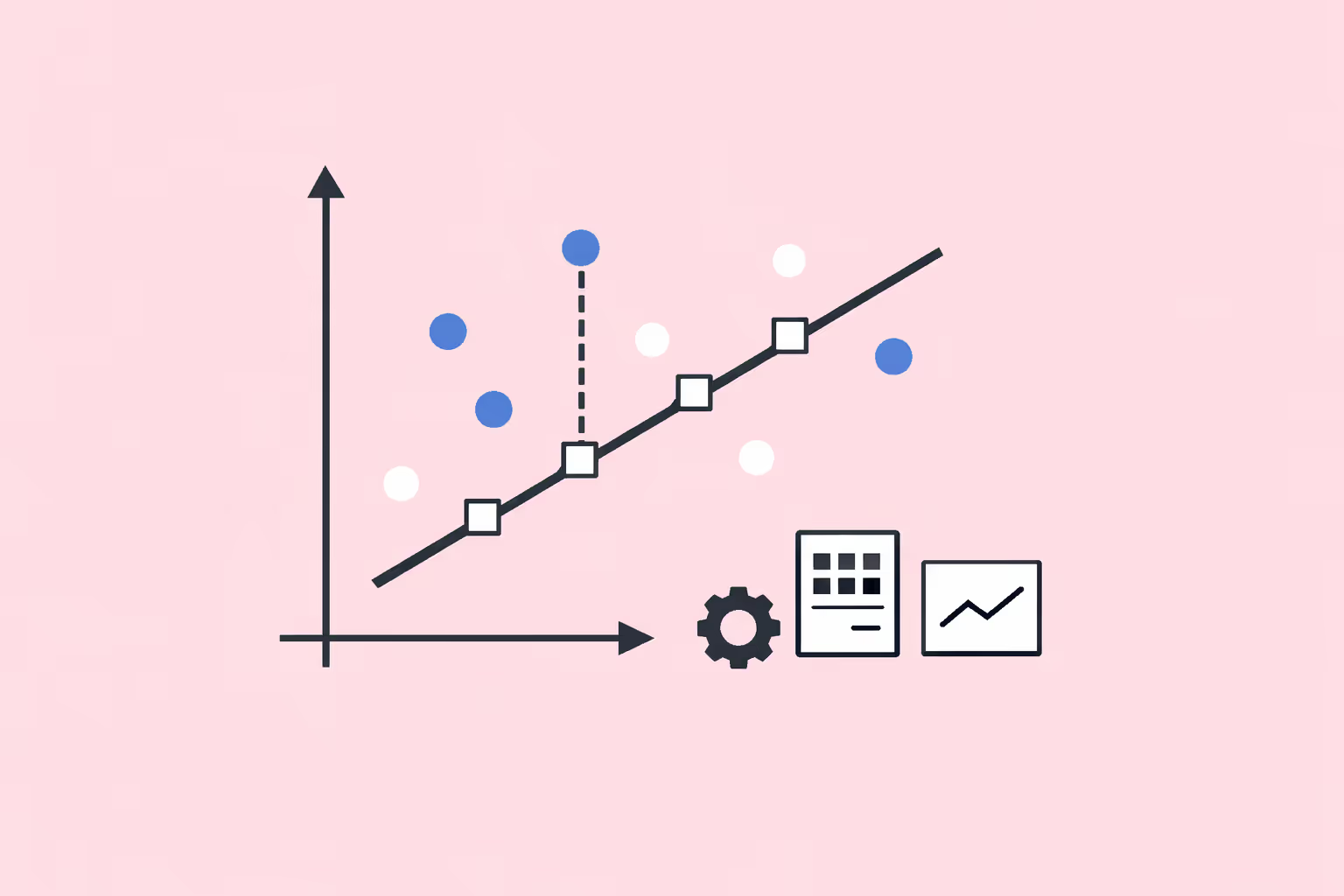
Linear regression models the relationship between variables by fitting a straight line to data. Learn how it works, its types, use cases, and implementation steps.

Learn what image recognition is, how it uses deep learning and neural networks to classify visual data, key use cases across industries, and how to get started.

Learn what IBM Watson is, how it works, and what products and services it offers. Explore real use cases, challenges, and how to get started with Watson AI.

Google Gemini is Google's multimodal AI model family. Learn how Gemini works, explore its model variants, practical use cases, limitations, and how to get started.
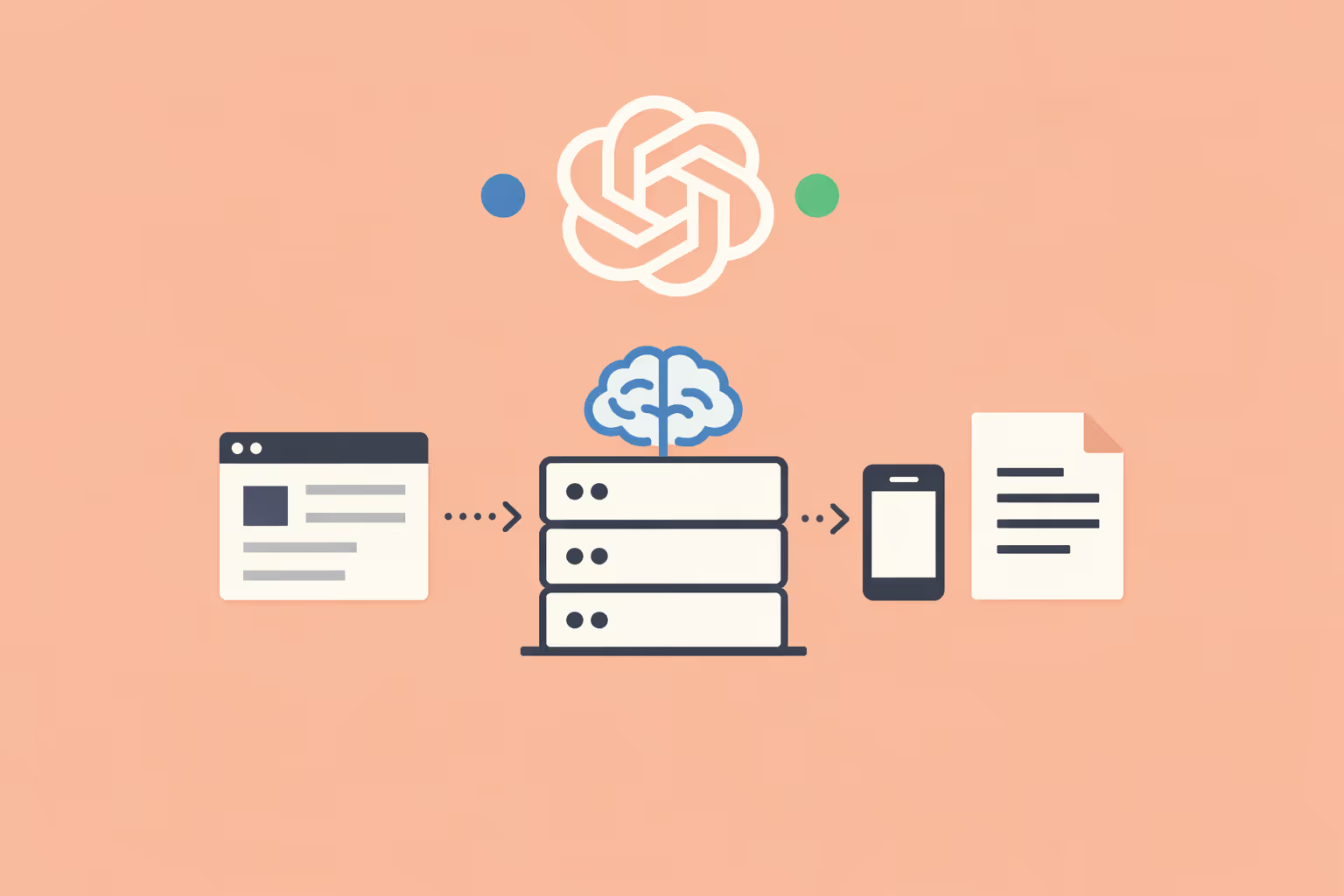
GPT-3 is OpenAI's 175 billion parameter language model that generates human-like text. Learn how it works, its capabilities, real-world use cases, and limitations.
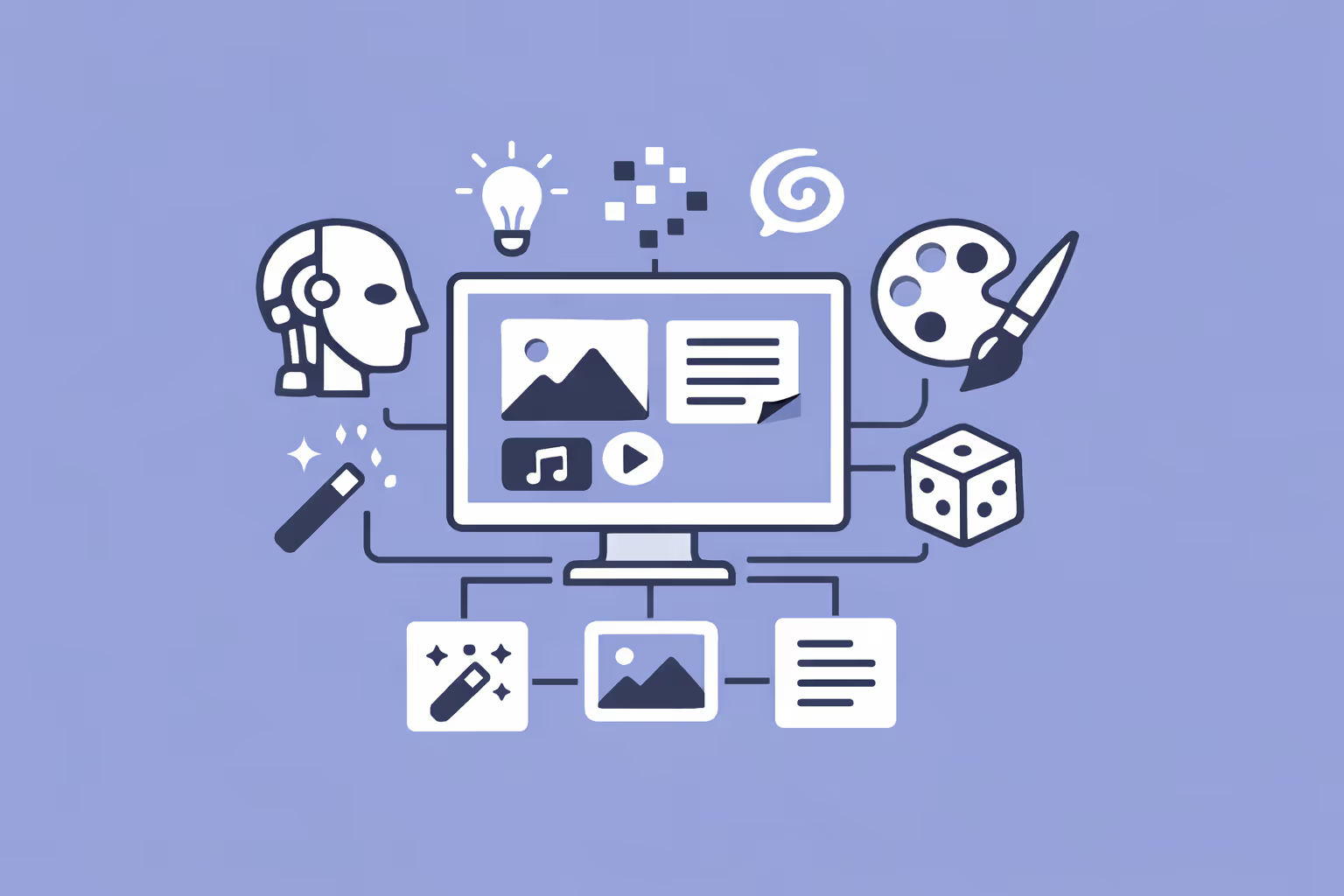
Generative AI creates new content from learned patterns. Explore how it works, the main model types, practical use cases, key challenges, and how to get started.
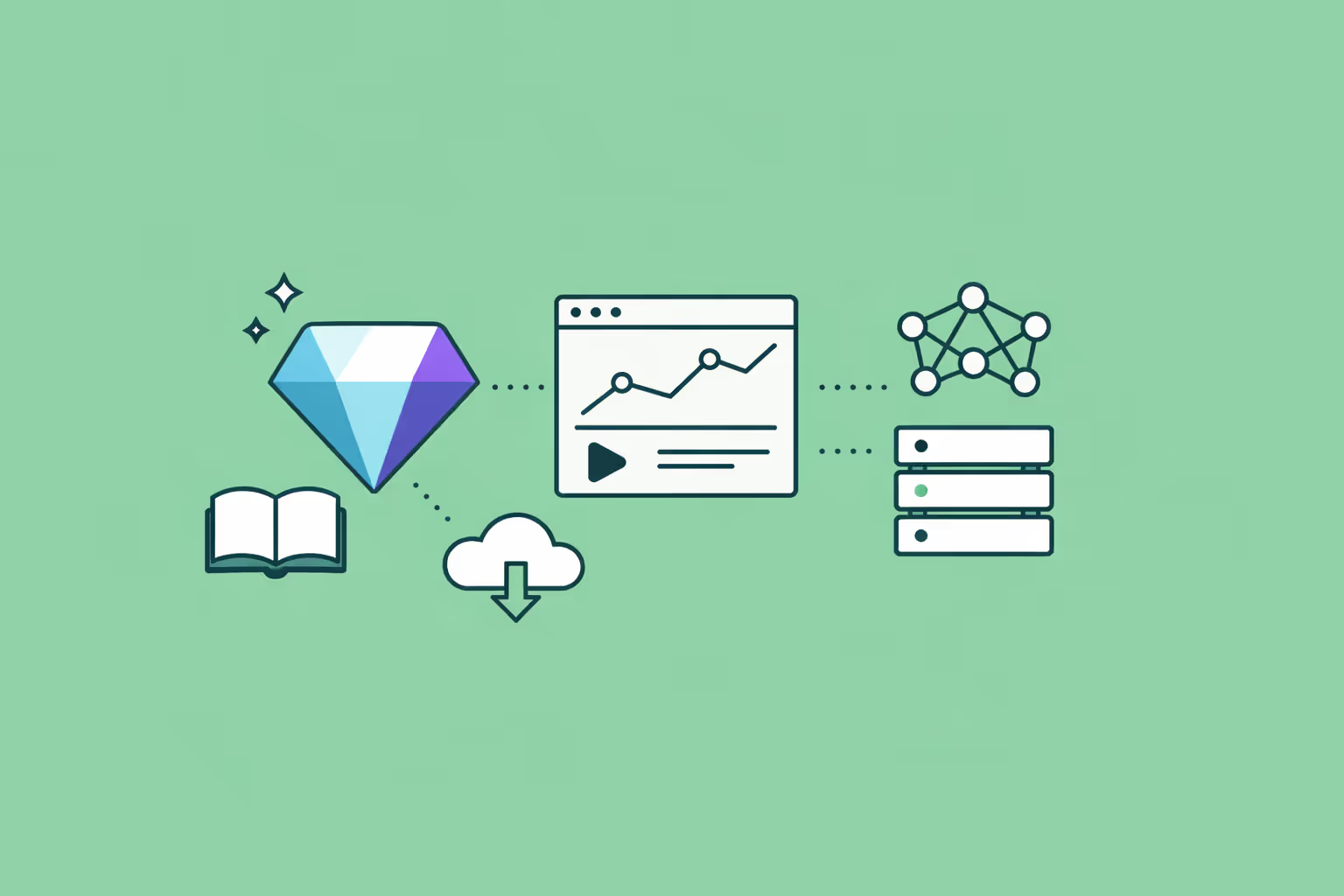
Gemma is Google's family of open-source language models built on the same research behind Gemini. Learn how Gemma works, its model variants, use cases, and how to get started.
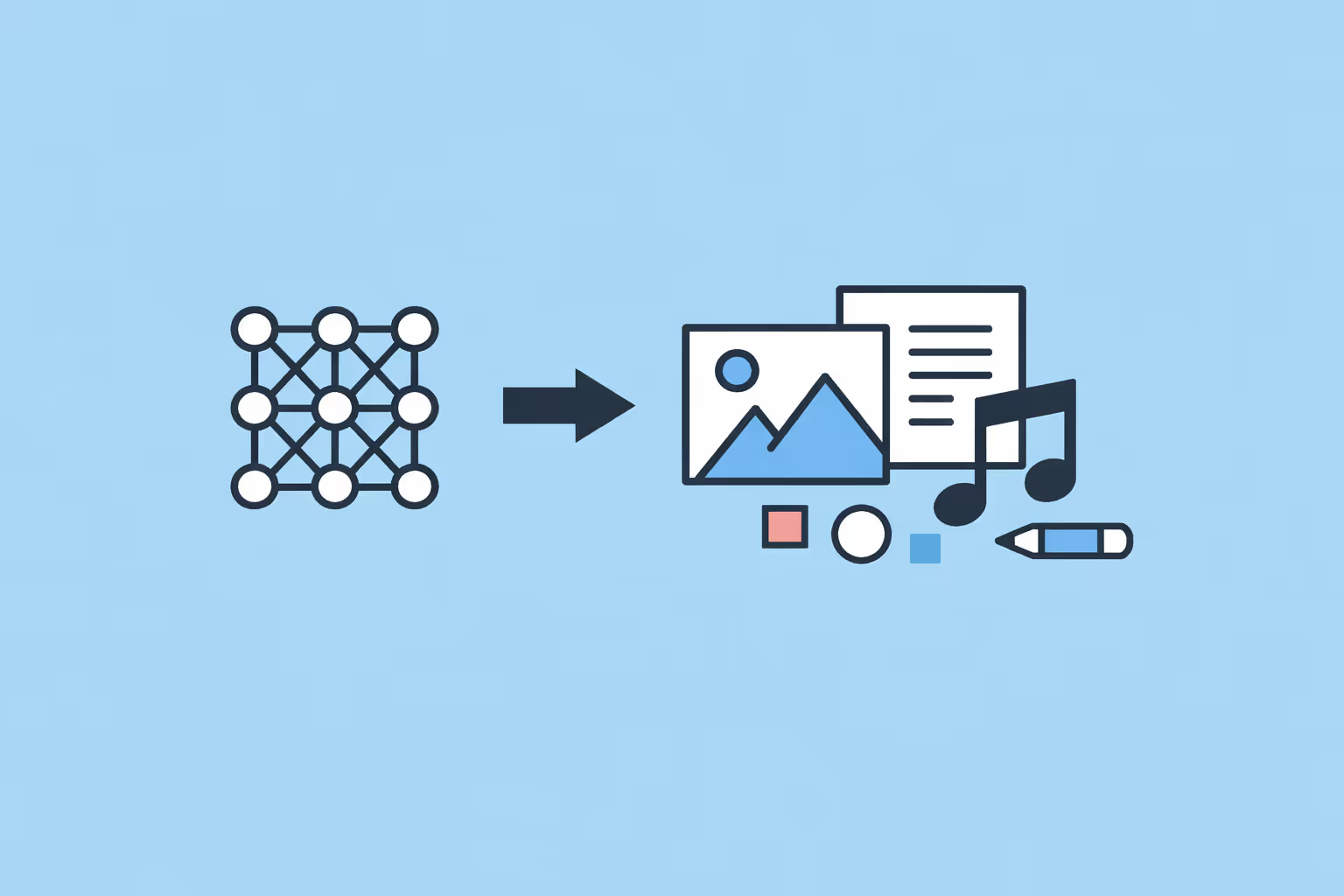
Learn what a generative model is, how it learns to produce new data, and where it is applied. Explore types like GANs, VAEs, diffusion models, and transformers.

Learn what a generative adversarial network is, how the generator and discriminator work together, explore GAN types, real-world use cases, and how to get started.
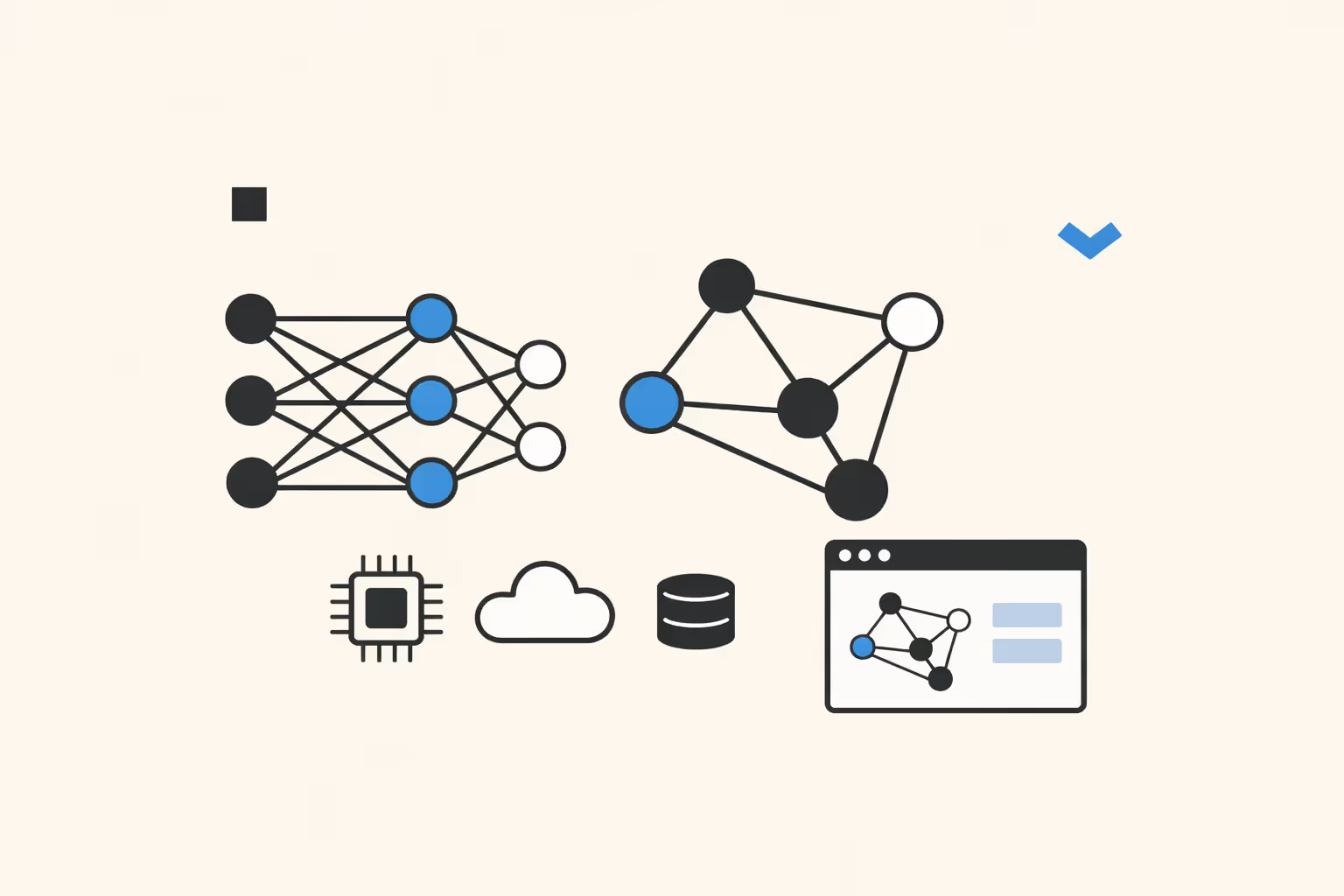
Learn what graph neural networks are, how GNNs process graph-structured data through message passing, their main types, real-world use cases, and how to get started.

Learn what Frechet Inception Distance (FID) is, how it measures the quality of generated images, how to calculate it, and why it matters for evaluating generative AI models.
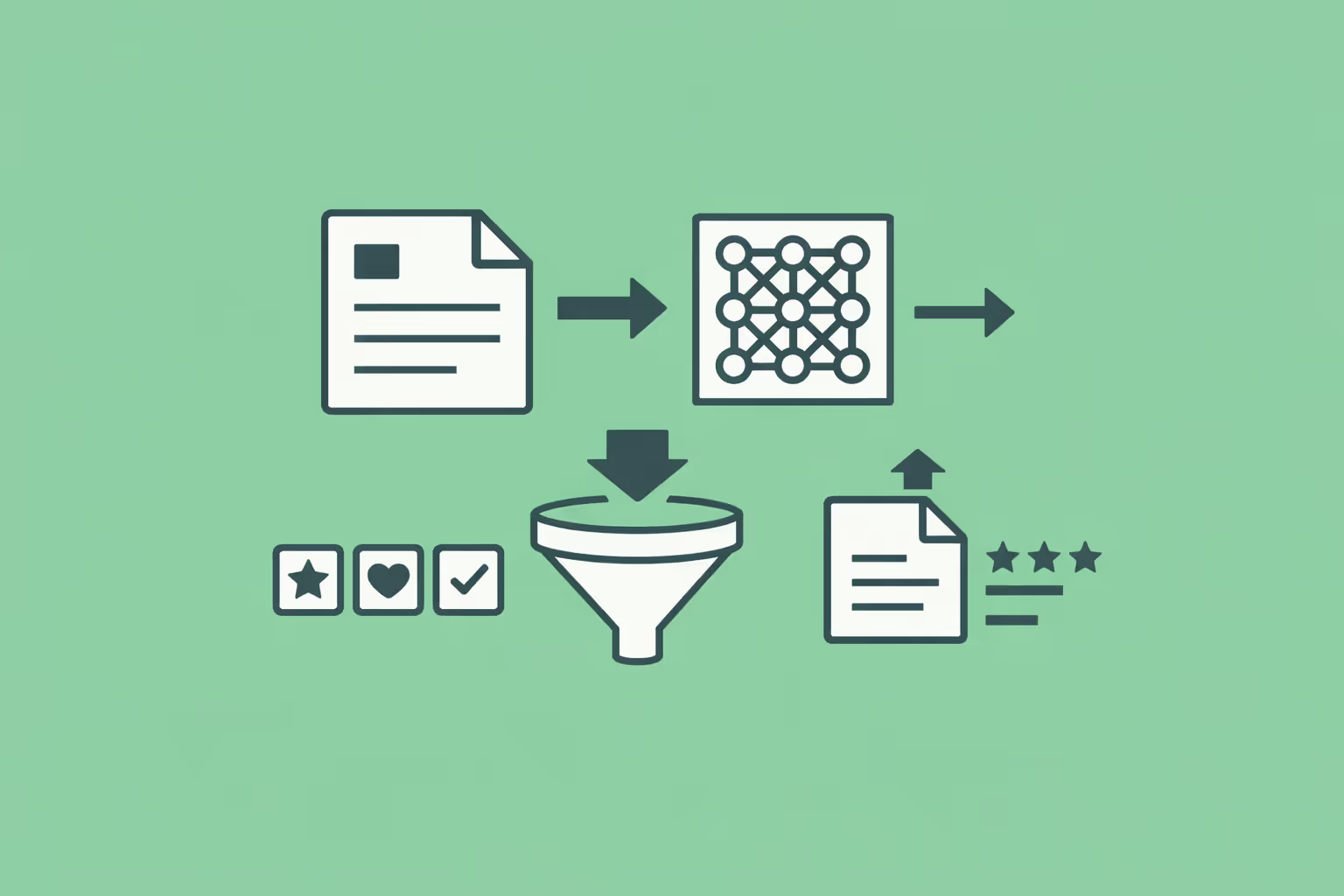
Fine-tuning adapts a pre-trained machine learning model to a specific task using targeted training on a smaller dataset. Learn how it works, common use cases, and how to get started.
%201.svg)
%201.svg)